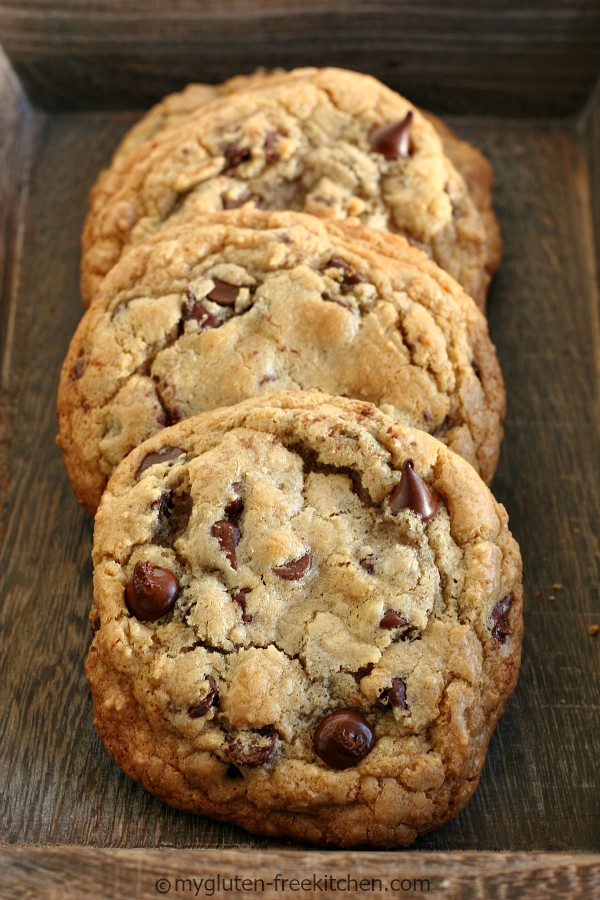
Unlocking the Secret to Soft & Chewy Gluten-Free Perfection
For too long, the idea of a truly *soft chewy gluten free chocolate chip cookie* seemed like an elusive dream. Gluten-free baking often comes with its challenges – cookies that are crumbly, dry, or spread too thin. But what if we told you that not only is it possible to achieve that coveted golden-crisp exterior and melt-in-your-mouth chewy interior without gluten, but that these cookies can actually surpass their gluten-containing counterparts? The secret lies in a humble pantry staple: cornstarch. This often-overlooked ingredient acts as a powerful thickening agent, transforming the texture of your cookies from merely good to absolutely divine. Prepare to rediscover the joy of chewy & gooey gluten-free chocolate chip cookies that are undeniably better than regular ones. Traditional chocolate chip cookies rely on gluten to provide structure, elasticity, and that satisfying chew. When gluten is removed, bakers often struggle to replicate these qualities. Many gluten-free recipes compensate by adding extra binders or a multitude of flours, which can sometimes lead to a dense or gritty texture. Our approach simplifies this by harnessing the unique properties of cornstarch. It not only helps to thicken the dough, preventing excessive spreading, but also contributes to an incredibly tender crumb and that desired chewiness that makes a chocolate chip cookie truly irresistible. This isn't just about making "good for gluten-free" cookies; it's about crafting an exceptional cookie, period.The Essential Ingredients: Crafting Your Culinary Masterpiece
The journey to perfect *soft chewy gluten free chocolate chip cookies* begins with selecting the right ingredients and understanding their individual roles. Each component plays a vital part in achieving the ideal balance of flavor, texture, and structure.- Gluten-Free Flour Blend: The cornerstone of any GF bake. Opt for a high-quality 1:1 all-purpose gluten-free flour blend. Many excellent blends are readily available and specifically designed to substitute traditional wheat flour in most recipes. Some blends, like those incorporating a touch of oat flour, can enhance the overall chewiness and flavor profile, making your cookies even more robust. Remember, consistency is key in gluten-free baking, so choose a blend you trust.
- Salted Butter: While unsalted butter is often recommended for baking to control salt levels, using salted butter here can actually enhance the richness of the chocolate and provide a subtle counterpoint to the sweetness. Ensure your butter is at room temperature for optimal creaming with the sugars, creating an airy base for your dough. For those with dairy sensitivities, a high-quality vegan butter substitute works beautifully.
- A Symphony of Sugars: Granulated and Dark Brown: This dynamic duo is crucial for both flavor and texture. Granulated sugar provides crispness and helps the cookies spread slightly, while dark brown sugar, with its higher molasses content, contributes moisture, a deeper, caramel-like flavor, and that signature chewiness we all crave. The molasses in brown sugar also interacts with other ingredients to create a rich, inviting aroma.
- Egg: A single egg acts as a primary binder, holding the dough together and contributing to the cookie's rich, moist texture. It also aids in emulsification, ensuring a smooth, cohesive dough. For a vegan alternative, approximately 4 ounces of a high-quality vegan cream cheese can be an excellent substitute, providing similar binding and richness.
- Vanilla Extract: The soul of any great chocolate chip cookie! Pure vanilla extract adds warmth, depth, and that classic, comforting aroma that defines this beloved treat. Don't skimp on quality; a good vanilla can elevate your cookies significantly.
- The Cornstarch Secret: Here it is – the hero ingredient! Cornstarch is a natural thickener that works wonders in gluten-free baking. In these cookies, it performs several crucial functions:
- Thickening the Dough: It creates a slightly thicker dough, which prevents the cookies from spreading too much and becoming flat, a common issue with gluten-free recipes.
- Enhancing Chewiness: By thickening the dough, cornstarch also contributes significantly to the cookie's internal structure, resulting in an exceptionally chewy texture.
- Achieving the Perfect Crisp-Soft Balance: While the inside remains wonderfully soft and chewy, the cornstarch helps the exterior achieve a delicate crispness, providing a delightful textural contrast.
- Naturally Gluten-Free: An added bonus, cornstarch is naturally gluten-free, making it a perfect fit for this recipe.
- Kosher Salt: A pinch of coarse kosher salt isn't just for seasoning; it's a flavor enhancer. It balances the sweetness of the sugars and chocolate, making the overall flavor profile more complex and satisfying. A sprinkling of flaky sea salt on top before baking can add a gourmet touch and a pleasant salty crunch.
- Chocolate Chips: The star of the show! While milk chocolate chips offer a classic, creamy sweetness, feel free to experiment. Dark chocolate chips provide a richer, more intense flavor, semi-sweet offers a balanced option, or use a mixture of all three for a multi-dimensional chocolate experience. Quality matters here – choose chips that melt beautifully.
Pro Tip: Because this recipe utilizes a 1:1 gluten-free flour blend, it's incredibly versatile. If you're baking for friends or family who aren't gluten-free, you can easily swap the GF flour for regular all-purpose flour and still achieve an incredibly delicious, soft and chewy cookie!
Beyond the Basics: Tips for Achieving Cookie Nirvana
Crafting the perfect *soft chewy gluten free chocolate chip cookies* goes beyond just ingredients; it involves a few key techniques and considerations that can elevate your baking from good to extraordinary.Precision is Power: Weighing Your Ingredients
In gluten-free baking especially, accuracy is paramount. Gluten-free flours can vary significantly in density, and measuring by volume (cups) can lead to inconsistencies. Investing in a digital kitchen scale to weigh your ingredients, particularly your flour, butter, and sugars, will ensure consistent results every time. Too little flour can lead to flat, overly greasy cookies, while too much can result in dry, crumbly ones. Weighing eliminates this guesswork.The Magic of Chilling: Dough Refrigeration
While some recipes rush you to the oven, patience is a virtue when it comes to cookie dough. Refrigerating your gluten-free cookie dough for at least 2 hours (or even overnight) allows the flavors to meld, the flour to fully hydrate, and the fats to solidify. This chilling process is essential for several reasons:- Enhanced Flavor: Time allows the sugars and flavors to deepen and mature.
- Prevents Spreading: Cold dough spreads less in the oven, leading to thicker, chewier cookies.
- Improved Texture: The flour absorbs moisture more effectively, contributing to a softer, more uniform crumb.
Baking Powder? Not Always!
Many gluten-free baked goods rely heavily on leavening agents like baking powder to achieve a light, airy texture. However, for these *soft chewy gluten free chocolate chip cookies*, we intentionally omit baking powder. Our goal is a thick, dense, and chewy cookie, not a cake-like one. The cornstarch, along with the correct balance of fats and sugars, provides all the structure and tender chewiness we need without the need for additional leavening. This strategic omission contributes directly to that desirable "gooey" center.Unleash Your Creativity: Cookie Variations
These gluten-free chocolate chip cookies provide the perfect canvas for your wildest cookie dreams. Don't be afraid to experiment with different mix-ins beyond standard chocolate chips:- Flavored Baking Chips: Butterscotch, peanut butter, white chocolate, or even mint chips.
- Candied Nuts: Pecans, walnuts, or almonds for added crunch and flavor.
- Candy Pieces: M&M's, chopped candy bars, or even crushed peppermints for a festive twist.
- Dried Fruit: Cranberries, cherries, or apricots for a chewy, fruity burst.
- Unexpected Surprises: For a truly unique "movie night cookie" experience, try crushed potato chips or popcorn for a salty-sweet crunch!
Troubleshooting Flat Cookies
If, despite following the recipe, your cookies come out too flat, revisit a few key areas:- Weigh Your Ingredients: As mentioned, this is the most common culprit. Ensure you're not using too little flour or too much butter.
- Dough Temperature: Make sure your dough is adequately chilled before baking. Warm dough spreads rapidly.
- Oven Temperature: An oven that isn't hot enough can also contribute to spreading. Use an oven thermometer to verify accuracy.
